
In the ever-evolving world of fashion, luxury brand resellers have emerged as key players in the market. With the rise of online platforms and social media, the resale market for luxury items has skyrocketed. Consumers are increasingly looking for sustainable options, making second-hand luxury goods more appealing than ever. This article explores the dynamics of the luxury brand resale market, its impact on consumers, and the potential for future growth.
The Luxury Resale Market Explained
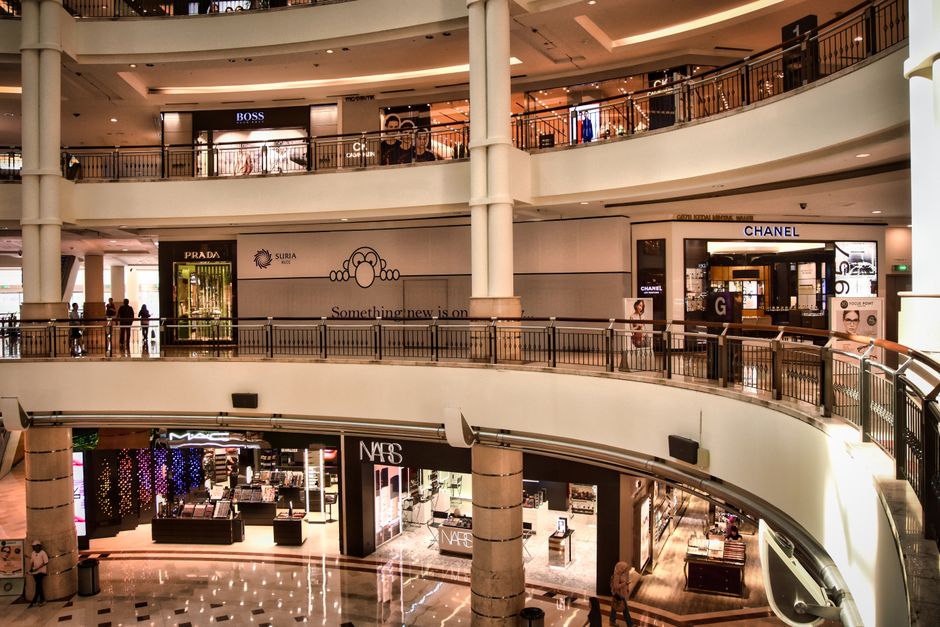
The luxury resale market refers to the buying and selling of pre-owned luxury goods, including clothing, handbags, shoes, and accessories. According to a report by Bain & Company, the global second-hand market is expected to reach $64 billion by 2024. This rapid growth can be attributed to several factors, including changing consumer attitudes towards sustainability and the desire for affordable luxury.
Luxury brand resellers operate in various ways, from online platforms to brick-and-mortar stores. They often curate collections of high-end items, providing customers with a reliable source for authentic products at a more accessible price point. As the demand for pre-owned luxury goods increases, so does the number of resellers entering the market.
Consumer Attitudes Towards Resale
Today’s consumers are more environmentally conscious than ever. Many are seeking ways to reduce their carbon footprint, and buying second-hand is a practical solution. Resale platforms provide an opportunity to shop sustainably while still enjoying the luxury experience. For instance, brands like The RealReal and Vestiaire Collective have gained popularity by emphasizing their commitment to authenticity and sustainability.
Furthermore, the stigma once associated with buying second-hand goods is fading. Many consumers now view purchasing pre-owned luxury items as a savvy and fashionable choice. The rise of social media influencers showcasing their thrifted finds has played a significant role in changing perceptions about resale shopping.
The Role of Technology in Resale
Technology has revolutionized the way luxury brand resellers operate. Online platforms have made it easier for consumers to buy and sell luxury items from the comfort of their homes. With a few clicks, customers can access a global marketplace of pre-owned luxury goods.
Additionally, advancements in authentication technology help ensure that buyers receive genuine products. Many resellers employ experts to verify items before they are listed for sale, instilling confidence in consumers. This focus on authenticity is crucial in maintaining the integrity of the luxury resale market.
Challenges Facing Luxury Resellers
Despite the booming market, luxury brand resellers face several challenges. One significant issue is the potential for counterfeit products. As the demand for luxury items increases, so does the risk of counterfeit goods entering the market. Resellers must implement stringent authentication processes to protect their customers and their reputation.
Another challenge is competition. With the rise of new resale platforms, standing out in a crowded market can be difficult. Resellers must continuously innovate their offerings and marketing strategies to attract customers. Building a strong brand identity and fostering customer loyalty is essential for long-term success.
The Future of Luxury Brand Reselling
Looking ahead, the luxury resale market shows no signs of slowing down. As more consumers embrace sustainable shopping practices, the demand for pre-owned luxury goods will likely continue to grow. Luxury brand resellers have the opportunity to capitalize on this trend by expanding their offerings and improving their customer experience.
Furthermore, collaborations between luxury brands and resale platforms are becoming more common. Some luxury brands are even launching their own resale initiatives to connect with eco-conscious consumers. These partnerships can enhance brand reputation and create new revenue streams for luxury companies.
In conclusion, the luxury brand reseller market is a dynamic and rapidly growing segment of the fashion industry. With changing consumer attitudes and the influence of technology, the future looks bright for those involved in the resale market. As consumers increasingly seek sustainable options, luxury brand resellers will play a crucial role in shaping the future of fashion.
Conclusion
The luxury brand reseller market is not just a passing trend; it reflects a significant shift in consumer behavior towards sustainability and accessibility. As the market continues to evolve, resellers must adapt to the changing landscape while maintaining their commitment to authenticity and quality. For both consumers and resellers, the future of luxury fashion is bright, and the possibilities are endless.