
In today’s competitive business landscape, the aesthetics and functionality of a workspace play a crucial role in defining a company’s identity and success. A well-designed commercial space not only enhances productivity but also leaves a lasting impression on clients and visitors. This is where the expertise of a commercial interior designer becomes invaluable. These professionals specialize in creating environments that are not only visually appealing but also highly functional and aligned with the brand’s vision.
The Importance of Commercial Interior Design
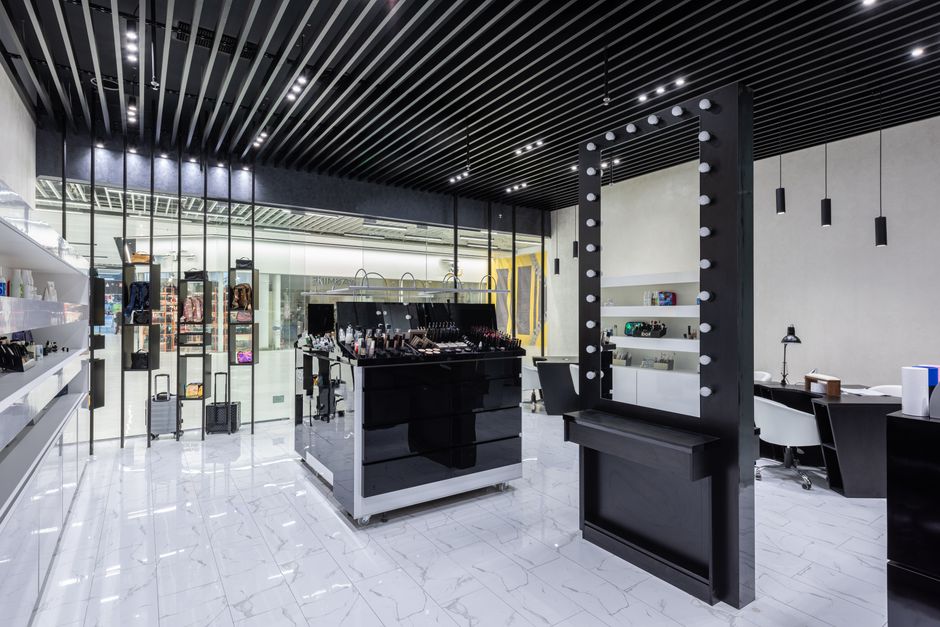
Commercial interior design is essential for businesses aiming to create a strong brand presence. According to a study by the American Society of Interior Designers, over 90% of employees believe their workspace impacts their productivity. A well-thought-out design can significantly enhance employee satisfaction and efficiency. For instance, incorporating natural light, open layouts, and ergonomic furniture can make a workspace more inviting and conducive to creativity.
Furthermore, commercial spaces often need to cater to diverse clientele. A retail store, for example, should reflect its brand identity while ensuring a pleasant shopping experience. This balance requires a deep understanding of both design principles and consumer behavior, which is why hiring a skilled commercial interior designer can be a game-changer for businesses.
Key Elements of Commercial Interior Design
Successful commercial interior design involves several key elements. First and foremost, space planning is crucial. This involves analyzing the layout of the space to ensure optimal flow and functionality. A designer must consider the purpose of each area, how it will be used, and how people will move through the space.
Next is the selection of materials and furnishings. The choice of colors, textures, and furniture can greatly influence the atmosphere of the environment. For example, using warm colors and comfortable seating in a waiting area can create a welcoming ambiance, while sleek lines and modern furnishings in an office can convey professionalism and innovation.
Lighting is another critical factor. Proper lighting can enhance the mood of a space, highlight design features, and even affect the performance of employees. Designers often employ a mix of natural and artificial lighting to achieve the desired effect, making sure the space feels vibrant yet comfortable.
Trends in Commercial Interior Design
As we move further into the 21st century, several trends are shaping the field of commercial interior design. Sustainability is at the forefront, with many businesses opting for eco-friendly materials and designs that minimize environmental impact. This trend not only appeals to environmentally conscious consumers but also enhances a brand’s reputation.
Another trend is the incorporation of technology into design. Smart offices equipped with advanced technology are becoming increasingly popular, allowing for greater flexibility and efficiency. For instance, adjustable desks and integrated tech solutions can cater to diverse work styles and improve overall productivity.
Moreover, the concept of biophilic design, which emphasizes the connection between people and nature, is gaining traction. Incorporating elements like indoor plants, natural light, and organic materials can lead to improved well-being and creativity among employees.
Choosing the Right Commercial Interior Designer
Choosing the right commercial interior designer is crucial for the success of any project. Businesses should look for designers who not only have a strong portfolio but also a deep understanding of the specific industry. It’s essential to find someone who can translate the company’s vision into a functional design that meets both aesthetic and practical needs.
Additionally, effective communication is key. A good designer will listen to the client’s needs and collaborate throughout the design process to ensure the final outcome aligns with the client’s expectations. Checking references and past projects can also provide insights into the designer’s capabilities and style.
Conclusion
In conclusion, the role of a commercial interior designer extends far beyond mere aesthetics; it involves creating environments that foster productivity, reflect brand identity, and enhance customer experiences. By understanding the importance of design, the key elements involved, the latest trends, and the process of selecting the right designer, businesses can significantly improve their workspace and, ultimately, their bottom line. Investing in professional commercial interior design is not just about creating beautiful spaces; it’s about crafting environments that support business goals and inspire those who inhabit them.