
Stainless steel is a remarkable material that has revolutionized various industries and everyday products. Known for its durability, resistance to corrosion, and aesthetic appeal, stainless steel has become a preferred choice for many applications, from kitchen appliances to construction materials. In this article, we will explore the characteristics of stainless steel, its various types, applications, and the reasons behind its growing popularity.
Understanding Stainless Steel: What It Is and How It’s Made
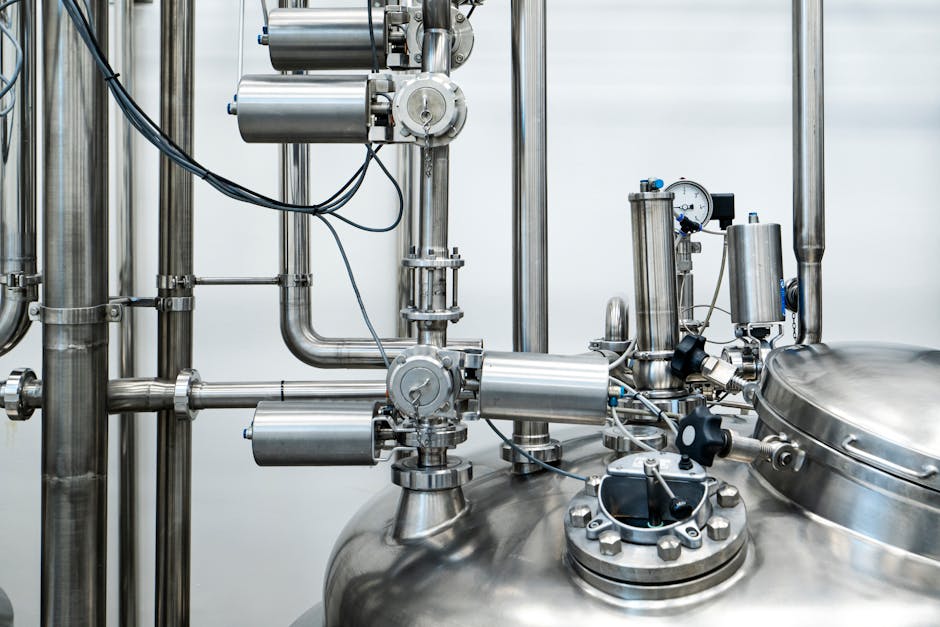
Stainless steel is an alloy primarily composed of iron, carbon, and chromium. The addition of chromium, typically at least 10.5%, is what gives stainless steel its unique properties, including its resistance to rust and corrosion. The manufacturing process involves melting the raw materials, casting them into shapes, and then subjecting them to various treatments to enhance their properties.
There are several grades of stainless steel, each designed for specific applications. For example, 304 stainless steel is known for its excellent corrosion resistance and is commonly used in kitchen equipment, while 316 stainless steel is often utilized in marine environments due to its superior resistance to saltwater corrosion.
The production of stainless steel is also an environmentally friendly process. Many stainless steel products are made from recycled materials, making it a sustainable choice for consumers and businesses alike.
Applications of Stainless Steel in Everyday Life
Stainless steel is ubiquitous in our daily lives, often found in items we use without giving them a second thought. Kitchen appliances such as refrigerators, ovens, and sinks are frequently made from stainless steel due to its hygienic properties and ease of cleaning. The material does not harbor bacteria, making it ideal for food preparation areas.
In the construction industry, stainless steel is used for structural components, facades, and roofing. Its strength and durability ensure that buildings can withstand harsh weather conditions while maintaining their aesthetic appeal. Additionally, stainless steel is employed in the manufacturing of furniture, such as tables and chairs, providing both style and strength.
Even in the medical field, stainless steel plays a critical role. Surgical instruments, hospital equipment, and implants are often made from stainless steel due to its biocompatibility and resistance to sterilization methods.
The Advantages of Using Stainless Steel
One of the primary advantages of stainless steel is its durability. Unlike other materials that may corrode or degrade over time, stainless steel maintains its integrity even in challenging environments. This longevity reduces the need for frequent replacements, making it a cost-effective choice in the long run.
Another significant benefit is its aesthetic versatility. Stainless steel can be finished in various ways, from polished to matte, allowing it to fit seamlessly into diverse design schemes. This versatility is particularly appealing to architects and designers who seek to create modern, sleek environments.
Moreover, stainless steel is highly resistant to heat and fire, making it a safe choice for kitchens and industrial settings. It can withstand high temperatures without losing its structural properties, ensuring safety and reliability.
Challenges and Considerations When Working with Stainless Steel
While stainless steel presents numerous advantages, it is essential to consider some challenges associated with its use. One issue is its higher cost compared to other materials, such as aluminum or plastic. However, this initial investment is often offset by the material’s durability and lower maintenance costs over time.
Additionally, welding stainless steel requires specialized skills and equipment to ensure a strong bond without compromising the material’s properties. This requirement can lead to higher labor costs during manufacturing and installation.
There is also the potential for surface scratching, which can affect the appearance of stainless steel products. However, with proper care and maintenance, these scratches can often be minimized or polished out.
The Future of Stainless Steel in Industry
The demand for stainless steel continues to grow as industries seek sustainable and durable materials. Innovations in manufacturing processes and recycling methods are making stainless steel more accessible and environmentally friendly.
Furthermore, as consumers become increasingly aware of the benefits of sustainability, products made from stainless steel are likely to gain popularity. For instance, many modern furniture designs now incorporate stainless steel elements for their strength and style, often found in establishments such as a Furniture Company In Saudi Arabia.
With advancements in technology and an increasing focus on sustainability, the future of stainless steel looks promising. Its versatility and range of applications make it an essential material in our ever-evolving world.
Conclusion
In conclusion, stainless steel is a remarkable material that combines practicality, durability, and aesthetic appeal. From kitchen appliances to architectural designs, its applications are vast and varied. While challenges exist, the benefits of stainless steel far outweigh them, making it a material of choice for many industries. As we continue to explore sustainable practices, stainless steel will undoubtedly play a crucial role in shaping the future of manufacturing and design.