
In the fast-paced world of the restaurant industry, efficiency and accuracy are paramount. One of the most significant advancements aiding restaurants today is the adoption of point-of-sale (POS) systems. These systems streamline operations, enhance customer experience, and provide valuable insights into business performance. As the restaurant landscape continues to evolve, understanding the capabilities and benefits of a modern restaurant POS system is crucial for success.
What is a Restaurant POS System?
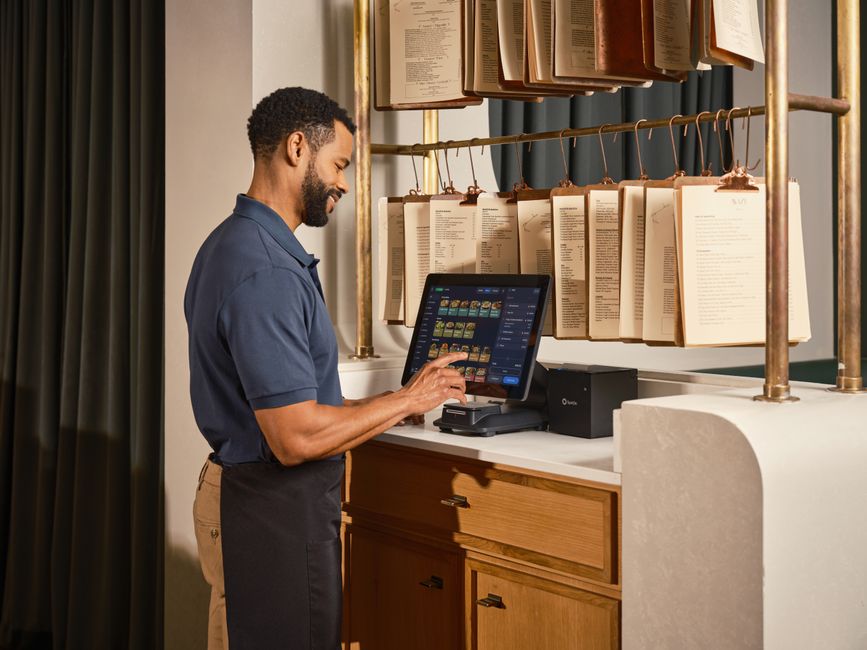
A restaurant POS system is a combination of hardware and software that allows restaurants to manage sales transactions, track inventory, and analyze customer data. Unlike traditional cash registers, modern POS systems offer a range of features designed specifically for the unique needs of restaurants. These include order management, payment processing, and reporting functionalities that empower restaurant owners and managers to make informed decisions.
For instance, a restaurant POS system can integrate with kitchen display systems (KDS) to ensure that orders are transmitted directly to the kitchen, minimizing errors and improving service speed. Furthermore, these systems can facilitate mobile ordering and payments, catering to the growing demand for contactless transactions.
Key Features of a Modern Restaurant POS System
When selecting a restaurant POS system, certain features are essential to consider. First and foremost, the ability to process various payment methods, including credit cards, mobile wallets, and gift cards, is crucial. This flexibility enhances customer satisfaction and caters to diverse payment preferences.
Another critical feature is inventory management. A robust POS system can track ingredient usage in real-time, alerting managers when stock levels are low and helping to reduce food waste. Additionally, detailed reporting capabilities allow for an in-depth analysis of sales trends, peak hours, and menu item performance, enabling data-driven decision-making.
Moreover, many restaurant POS systems now offer cloud-based solutions, allowing access to data from anywhere, which is especially beneficial for multi-location operations. This technology also ensures that updates and backups occur automatically, reducing the risk of data loss.
The Benefits of Implementing a Restaurant POS System
The implementation of a restaurant POS system can lead to significant operational improvements. One of the primary benefits is increased efficiency. By automating various tasks, such as order taking and payment processing, staff can focus more on customer service rather than administrative duties.
Furthermore, a restaurant POS system can improve accuracy in orders, which directly impacts customer satisfaction. Mistakes in orders can lead to dissatisfied customers and lost revenue; therefore, having a reliable system that minimizes these errors is invaluable.
Financially, the long-term savings from reduced labor costs, lower food waste, and improved sales tracking can be substantial. According to industry reports, restaurants that implement a modern POS system can see a return on investment within the first year due to these efficiencies.
Choosing the Right Restaurant POS System
With numerous restaurant POS systems available on the market, choosing the right one can be challenging. It is essential to evaluate your specific needs, such as the size of your restaurant, your budget, and the specific features that will benefit your operations the most.
Before making a decision, consider seeking demonstrations or trial periods to test different systems. Customer reviews and case studies can also provide valuable insights into how well a system performs in real-world scenarios. Moreover, ensure that the provider offers adequate customer support and training resources to facilitate a smooth transition.
For instance, many businesses have found success using a comprehensive restaurant POS system that integrates seamlessly with other operational tools, enhancing overall productivity.
Future Trends in Restaurant POS Technology
The restaurant industry is continually evolving, and so are the technologies that support it. Emerging trends in restaurant POS systems include the integration of artificial intelligence (AI) for personalized marketing, predictive analytics for inventory management, and advanced customer relationship management (CRM) features.
Additionally, as the demand for online and delivery services grows, POS systems are increasingly incorporating features that cater to these needs, such as online ordering capabilities and delivery tracking. Restaurants that embrace these innovations will likely stay ahead of the competition and meet the changing expectations of their customers.
Conclusion
In conclusion, a well-implemented restaurant POS system is not just a tool for processing transactions; it is a critical component of modern restaurant management. By understanding the features, benefits, and future trends of these systems, restaurant owners can make informed decisions that enhance their operations and improve the customer experience. As technology continues to advance, staying updated on the latest innovations will be key to thriving in the competitive restaurant landscape.