
Landscape architecture is a unique profession that blends art and science to design outdoor spaces that are functional, beautiful, and sustainable. This field encompasses a wide range of projects, from public parks and recreational areas to residential gardens and urban plazas. As cities grow and the need for green spaces increases, the role of landscape architects becomes more critical in promoting biodiversity, enhancing community well-being, and addressing climate change.
The Role of a Landscape Architect
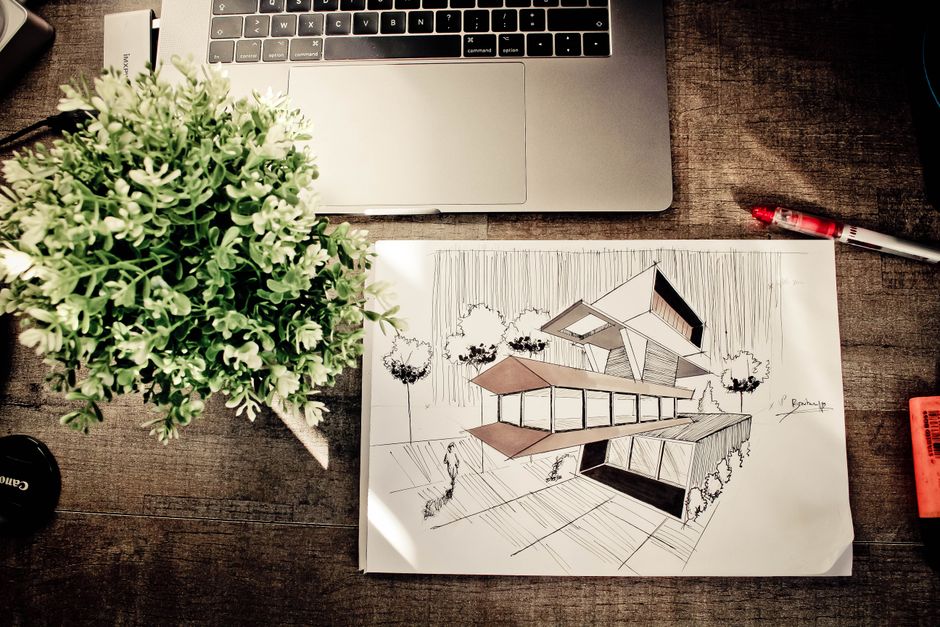
Landscape architects are trained professionals who create designs that address environmental, aesthetic, and social issues. They work on a variety of projects, including parks, gardens, and urban spaces, focusing on the interaction between people and their environment. A landscape architect must possess a deep understanding of horticulture, ecology, and environmental science, as well as strong design skills.
In addition to design work, landscape architects often collaborate with other professionals, such as urban planners, architects, and civil engineers, to ensure that their projects fit within broader urban development plans. This collaborative approach helps to create cohesive and functional spaces that meet the needs of the community.
Furthermore, landscape architects have a crucial role in sustainability. They design spaces that minimize environmental impact, promote biodiversity, and utilize sustainable materials. Their work can significantly influence how communities respond to climate change, making them vital players in environmental conservation.
Design Principles in Landscape Architecture
Effective landscape architecture relies on several key design principles. Balance, proportion, and unity are fundamental concepts that guide the creation of visually appealing spaces. Landscape architects also prioritize functionality, ensuring that outdoor areas serve their intended purposes while remaining accessible and user-friendly.
Another important principle is sustainability. As urban areas expand, landscape architects are tasked with integrating green infrastructure into their designs. This includes the use of native plants, rain gardens, and permeable surfaces to manage stormwater runoff and reduce the urban heat island effect.
Moreover, the concept of ‘place-making’ is essential in landscape architecture. This involves creating spaces that foster community interaction and promote a sense of belonging. Successful place-making can transform underutilized areas into vibrant community hubs, enhancing the quality of life for residents.
Case Studies of Successful Landscape Architecture
One notable example of effective landscape architecture is New York City’s High Line. Once an abandoned elevated railway, the High Line was transformed into a linear park that has become a model for urban green space. Designed by James Corner Field Operations, the project incorporates native plants, seating areas, and public art, attracting millions of visitors each year.
Another inspiring project is the Millennium Park in Chicago, which showcases the integration of art and landscape design. The park features innovative green spaces, including the iconic Cloud Gate sculpture, and serves as a venue for cultural events, drawing locals and tourists alike.
These case studies exemplify how landscape architects can revitalize urban areas, enhance environmental sustainability, and create spaces that foster community engagement. They demonstrate the profound impact that thoughtful landscape design can have on urban living.
The Future of Landscape Architecture
The future of landscape architecture is evolving in response to global challenges such as climate change, urbanization, and the need for social equity. As cities face increasing pressure from population growth and environmental degradation, landscape architects are at the forefront of creating resilient urban landscapes.
Innovative technologies, such as GIS (Geographic Information Systems) and 3D modeling, are becoming integral tools in the landscape architect’s toolkit. These technologies enable precise planning and visualization, allowing for more effective design solutions that address complex environmental issues.
Moreover, the growing emphasis on mental health and well-being is influencing landscape architecture. Designers are increasingly recognizing the therapeutic benefits of nature and are incorporating elements that promote relaxation and recreation. This trend underscores the importance of green spaces in enhancing urban life.
Conclusion: The Impact of Landscape Architecture
In conclusion, landscape architecture is a vital profession that plays a crucial role in shaping our built environment. By blending art with scientific principles, landscape architects create spaces that are not only beautiful but also functional and sustainable. As urban areas continue to evolve, the expertise of landscape architects will be essential in addressing environmental challenges and enhancing the quality of life for communities. For those interested in pursuing this rewarding career, the journey begins with understanding the principles and practices that define the field. Engaging with professional organizations, such as the landscape architect community, can provide valuable resources and networking opportunities to help aspiring designers make their mark on the world.