
As the global population continues to grow and urban areas expand, traditional farming practices are increasingly challenged to meet the rising demand for fresh produce. In this context, vertical farming technology has emerged as a groundbreaking solution, combining innovation with sustainability to redefine how we cultivate food.
Understanding Vertical Farming
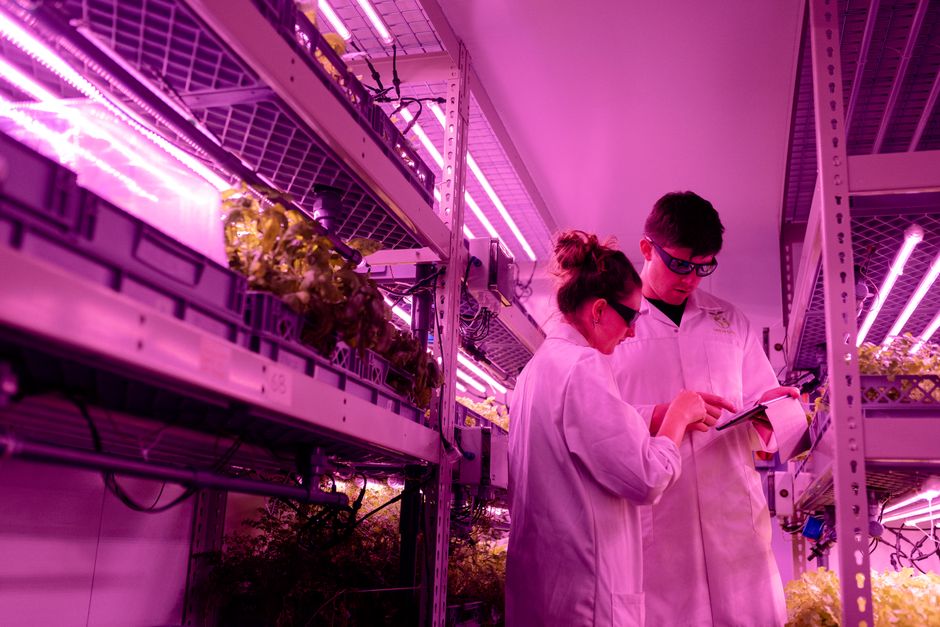
Vertical farming refers to the practice of growing crops in stacked layers or vertically inclined surfaces, often in controlled indoor environments. This innovative agricultural method utilizes advanced technologies such as hydroponics, aeroponics, and aquaponics to maximize space and resources. By eliminating the need for vast tracts of land, vertical farms can be established in urban centers, bringing food production closer to consumers.
One of the primary advantages of vertical farming is its ability to produce crops year-round, irrespective of external weather conditions. This consistent production can significantly reduce supply chain disruptions, ensuring that fresh produce is available at all times. Additionally, vertical farms often use significantly less water than traditional farming methods, making them an environmentally friendly alternative.
Technological Innovations Driving Vertical Farming
At the heart of vertical farming technology are several key innovations. LED lighting systems, for example, have revolutionized how plants are grown indoors by providing optimal light spectra for photosynthesis while consuming less energy. These lights can be programmed to mimic natural sunlight cycles, enhancing plant growth and yield.
Moreover, the integration of automation and data analytics in vertical farms allows for precise monitoring and control of environmental factors such as temperature, humidity, and nutrient levels. This data-driven approach enables farmers to optimize their operations, improving crop quality and reducing waste.
Economic Viability and Market Potential
The economic viability of vertical farming has been a topic of much debate. While initial setup costs can be high, the long-term benefits often outweigh these expenditures. According to a report by the American Society of Agricultural and Biological Engineers, vertical farms can achieve higher yields per square foot compared to traditional farms, making them a lucrative investment for urban agriculture.
The market for vertical farming is projected to grow significantly in the coming years. The global vertical farming market was valued at approximately $2.23 billion in 2020 and is expected to reach around $12.77 billion by 2026, growing at a CAGR of 24.9%. This growth is fueled by the increasing demand for fresh produce, urbanization, and the ongoing shift towards sustainable food production practices.
Challenges and Future Outlook
Despite its many advantages, vertical farming technology is not without challenges. High energy costs, particularly for lighting and climate control, can impact profitability. Additionally, there is a learning curve associated with mastering the technologies involved, which can deter some potential farmers.
However, advancements in renewable energy sources and improvements in technology are likely to mitigate these challenges. As vertical farming becomes more mainstream, we can expect to see innovations that further reduce costs and enhance efficiency. For instance, the continued development of energy-efficient systems and the use of artificial intelligence in farming operations could pave the way for a more sustainable future.
Case Studies: Successful Vertical Farms
Several successful vertical farms around the world serve as compelling case studies for the potential of this technology. One notable example is the AeroFarms facility in Newark, New Jersey, which has been recognized for its innovative approach. By utilizing aeroponics, AeroFarms achieves higher crop yields while using 95% less water than traditional farming methods.
Another example is the Plenty farm in San Francisco, which employs advanced robotics and machine learning to optimize crop production. With its focus on efficiency and sustainability, Plenty has attracted significant investment and is poised to expand its operations across the United States.
Conclusion
Vertical farming technology represents a promising solution to the growing challenges of global food production. By harnessing innovation, sustainability, and efficiency, vertical farms can help meet the rising demand for fresh produce while minimizing environmental impact. As this industry continues to evolve, it holds the potential to transform urban agriculture and ensure food security for future generations. Embracing vertical farming technology is not just a trend; it is a necessary step towards a more sustainable future.