
Sheet metal fabrication is a crucial process in various industries, enabling the transformation of flat metal sheets into functional components. This process is not only vital for manufacturing but also plays a significant role in modern engineering and design. With the advancements in technology, the methods and techniques involved in sheet metal fabrication have evolved, resulting in improved efficiency and precision.
Understanding Sheet Metal Fabrication
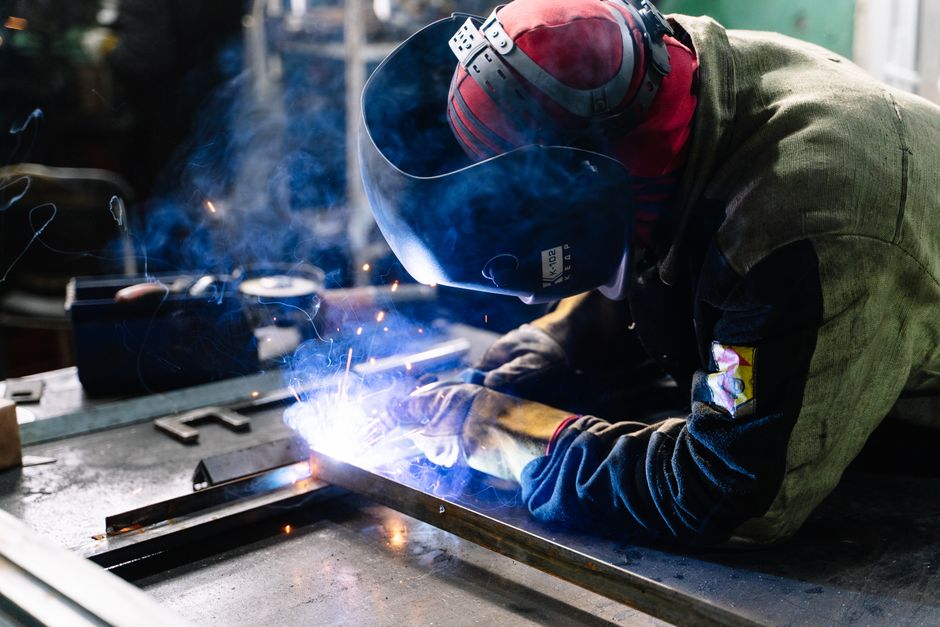
At its core, sheet metal fabrication involves cutting, bending, and assembling metal sheets to create products ranging from simple brackets to complex enclosures. The materials typically used include aluminum, steel, copper, and brass, each chosen for their unique properties and suitability for specific applications.
The fabrication process can be broken down into several stages, including design, cutting, forming, and finishing. Each stage plays a critical role in ensuring that the final product meets the desired specifications and quality standards.
Techniques Used in Sheet Metal Fabrication
There are several techniques employed in sheet metal fabrication, each serving different purposes depending on the complexity and requirements of the project. Common methods include laser cutting, waterjet cutting, and CNC machining. Laser cutting, for example, is known for its precision and ability to create intricate designs, making it ideal for detailed work.
Waterjet cutting, on the other hand, uses high-pressure water streams to cut through metal, offering a clean edge without thermal distortion. CNC machining allows for automated processes, which can significantly increase production speed and consistency while reducing human error.
Applications of Sheet Metal Fabrication
The applications of sheet metal fabrication are vast and varied. It is widely used in industries such as automotive, aerospace, construction, and electronics. For instance, in the automotive industry, sheet metal is used to manufacture body panels, frames, and various other components that require strength and durability.
In the construction sector, sheet metal is often utilized for roofing, siding, and HVAC systems. The versatility of sheet metal allows it to be adapted for countless applications, making it an indispensable material in modern manufacturing.
Benefits of Sheet Metal Fabrication
One of the primary benefits of sheet metal fabrication is its cost-effectiveness. The ability to produce large quantities of components with minimal waste makes it an attractive choice for manufacturers. Additionally, the strength-to-weight ratio of sheet metal is advantageous, as it allows for lightweight structures without compromising on durability.
Moreover, the flexibility in design options and the capability to create customized solutions further enhance its appeal. With advancements in technology, customization is more accessible than ever, enabling manufacturers to cater to specific client needs effectively.
The Future of Sheet Metal Fabrication
As industries continue to evolve, the future of sheet metal fabrication looks promising. Innovations such as 3D printing and smart manufacturing are beginning to influence traditional fabrication processes. For instance, integrating IoT devices in fabrication units can lead to enhanced monitoring and efficiency.
Moreover, sustainability is becoming a critical concern. The emphasis on reducing waste and using eco-friendly materials is likely to shape the future of sheet metal fabrication, pushing companies to adopt more sustainable practices.
Conclusion
In conclusion, sheet metal fabrication is an integral part of modern manufacturing that combines traditional techniques with cutting-edge technology. Its applications are diverse, and its benefits are numerous, making it a preferred choice across various industries. As we look ahead, the continued advancements in fabrication technologies promise to further enhance the capabilities and efficiency of this essential manufacturing process.