
Maintaining a septic tank is crucial for the health of your home and the environment. Many homeowners overlook this essential aspect of property care, leading to costly repairs and potential health hazards. This article delves into the importance of septic tank cleaning, the methods involved, and tips for ensuring your system remains in optimal condition.
Understanding Septic Tanks
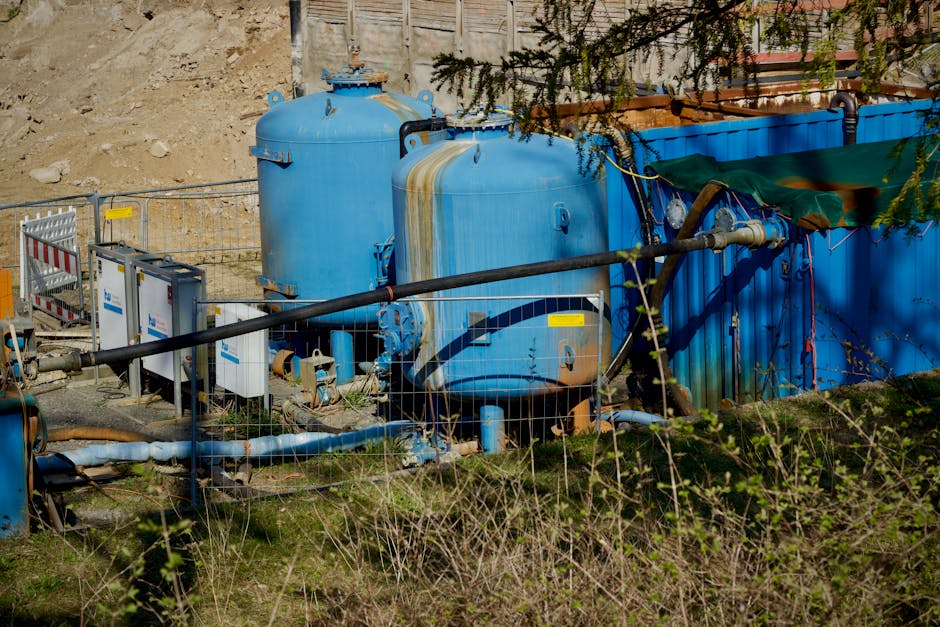
Septic tanks are an integral part of wastewater management for homes not connected to a municipal sewer system. They function by treating household waste through a natural process. Wastewater flows into the tank, where solids settle at the bottom, forming sludge, while lighter materials like grease float to the top, creating scum. The effluent in the middle is then discharged into the drain field, where further treatment occurs.
Understanding how your septic system works is the first step in maintaining it effectively. Regular cleaning and maintenance can prevent serious issues that may arise from neglect. According to the Environmental Protection Agency (EPA), septic tanks should be inspected every three years and pumped every three to five years, depending on the size of the tank and the household’s water usage.
Signs Your Septic Tank Needs Cleaning
Being proactive about septic tank maintenance can save you from unexpected issues down the line. Here are some common signs indicating that your septic tank needs cleaning:
- Slow Drains: If your sinks, tubs, or toilets are draining slowly, it might indicate a full septic tank.
- Backups: Frequent clogs or sewage backups in your home are a serious warning sign that your septic system needs attention.
- Unpleasant Odors: Foul smells around your yard or near your septic tank can indicate a malfunction.
- Pool of Water: Excess water or lush grass growth over the drain field can indicate that the tank is overflowing.
Addressing these issues promptly can help avoid more significant problems, such as costly repairs or even health hazards. Regular inspections can help catch these signs early.
Septic Tank Cleaning Methods
When it comes to cleaning your septic tank, there are several methods available. The most common and recommended method is pumping, which involves removing the sludge and scum that accumulates over time.
Pumping should be performed by a licensed professional with a vacuum truck, ensuring that the waste is disposed of properly. The process typically takes a couple of hours and involves the following steps:
- Inspection of the tank and components.
- Removal of the tank’s lid and pumping out the contents.
- Cleaning the tank walls to remove any buildup.
- Restoring the lid and ensuring the area is clean.
It is essential to choose a reputable company for septic maintenance to ensure the job is done correctly. Always check for licenses and reviews from previous customers before hiring a service.
Cost of Septic Tank Cleaning
The cost of septic tank cleaning can vary based on several factors, including the tank size, location, and the company you choose. On average, homeowners can expect to pay between $200 to $500 for a standard pumping service.
Regular maintenance can also help reduce costs in the long run. By investing in periodic inspections and cleaning, you can avoid emergency services and repairs that can cost thousands. According to a study by the National Onsite Wastewater Recycling Association, neglecting septic system maintenance can lead to repairs costing up to $10,000.
To further save on costs, consider implementing a routine septic maintenance schedule, which may also qualify you for discounts with certain service providers.
Tips for Maintaining Your Septic System
In addition to regular cleaning, there are several best practices homeowners can adopt to maintain their septic systems:
- Avoid Flushing Non-Biodegradable Items: Items like wipes, feminine hygiene products, and plastics should never be flushed as they can clog the system.
- Limit Water Usage: Be mindful of water consumption within your household to prevent overwhelming your septic system.
- Regular Inspections: Schedule inspections every few years to catch any potential issues before they escalate.
- Proper Landscaping: Ensure that trees and shrubs are planted away from the drain field to prevent root intrusion.
- septic maintenance: Regular maintenance can extend the life of your system and prevent costly repairs.
By adhering to these tips, you can help ensure that your septic system operates efficiently and lasts for many years.
Conclusion
Septic tank cleaning is a crucial aspect of home maintenance that should not be overlooked. By understanding how your septic system works, recognizing the signs of a full tank, and adhering to a regular maintenance schedule, you can avoid costly repairs and health hazards. Remember to consult with a professional for inspections and cleaning to keep your system in optimal condition. Taking these steps not only protects your home but also helps safeguard the environment.