
In today’s visually driven world, the demand for high-quality imagery and realistic models has never been greater. One of the key technologies that have revolutionized the design and architecture industries is 3D rendering. This powerful technique allows designers to create lifelike representations of their projects, enabling clients to visualize concepts before any physical work begins. In this article, we will delve into the significance of 3D rendering services, their benefits, and their applications in various industries.
Understanding 3D Rendering
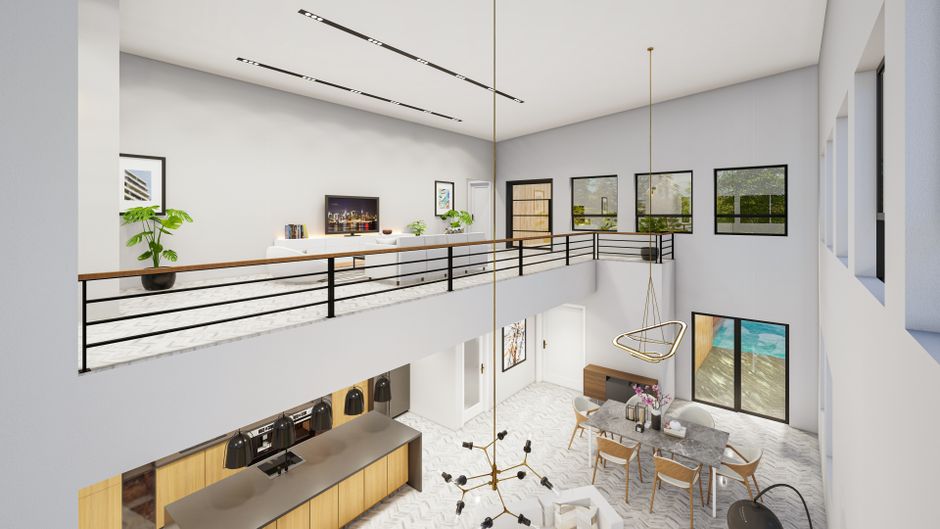
3D rendering is the process of generating a two-dimensional image from a three-dimensional model using computer software. This model is created through a variety of techniques, including 3D modeling, animation, and simulation. The rendering process involves calculations of light, texture, and color to produce a realistic image that can be used for presentations, marketing, and project approvals.
For architects and designers, 3D rendering is not just a tool but a vital part of the design process. It allows for experimentation with different materials, colors, and lighting conditions, providing a comprehensive view of how a project will look in reality. As technology advances, the quality of 3D renderings continues to improve, making them an essential aspect of modern design.
Benefits of 3D Rendering Services
The advantages of utilizing 3D rendering services are numerous. Firstly, they enhance communication between designers and clients by providing clear visual representations of ideas. Clients can see exactly what to expect, reducing the risk of misunderstandings and ensuring that everyone is on the same page.
Secondly, 3D rendering services save time and money. By visualizing projects in detail before construction begins, clients can identify potential issues, make adjustments, and avoid costly changes later in the process. For instance, a study by the American Institute of Architects found that projects utilizing 3D rendering saw a 30% reduction in construction time due to fewer revisions.
Moreover, these services play a significant role in marketing. High-quality renderings can be used in brochures, websites, and social media, helping to attract potential buyers or investors. In real estate, for example, properties with 3D renderings generate 49% more inquiries than those without.
Applications Across Industries
3D rendering services are not limited to architecture; they are widely used across various sectors. In the product design industry, manufacturers use 3D renderings to showcase their products before they are physically created. This allows for market testing and consumer feedback, ensuring that the final product meets customer expectations.
In the entertainment industry, 3D rendering is crucial for creating visual effects in films and video games. These renderings help to create immersive environments and characters that enhance the viewer’s experience. For example, blockbuster movies often rely on advanced rendering techniques to bring fantastical worlds to life.
Furthermore, in the medical field, 3D rendering is revolutionizing how doctors and surgeons visualize complex procedures. By using detailed 3D models of organs or tissues, medical professionals can plan surgeries more effectively, improving patient outcomes.
The Future of 3D Rendering
The future of 3D rendering services looks promising as technology continues to evolve. With the rise of virtual and augmented reality, the demand for realistic 3D models will only increase. These technologies allow users to interact with designs in real-time, offering an even more immersive experience.
Additionally, advancements in artificial intelligence are expected to enhance the rendering process, making it faster and more efficient. AI can optimize rendering times and improve image quality, enabling designers to produce high-fidelity images with less manual effort.
As industries continue to recognize the value of 3D rendering, the market for these services is set to grow exponentially. Companies that invest in high-quality 3D rendering will likely gain a competitive edge, attracting more clients and showcasing their capabilities effectively.
Conclusion
In conclusion, 3D rendering services have become an indispensable tool for designers, architects, and marketers alike. They provide a powerful means of visualizing concepts, improving communication, and enhancing marketing efforts. As technology advances, the capabilities and applications of 3D rendering will continue to expand, making it a crucial aspect of many industries. For those looking to elevate their design processes, leveraging a 3D rendering service is a wise investment that can yield significant returns.