
Buying a home for the first time is an exciting yet daunting experience. Many first time home buyers find themselves overwhelmed by the process, which involves numerous steps, financial commitments, and a lot of research. However, with the right guidance and knowledge, this journey can turn into a rewarding venture. This article aims to provide a comprehensive overview of what first time home buyers need to know before embarking on this significant milestone.
Understanding the Home Buying Process
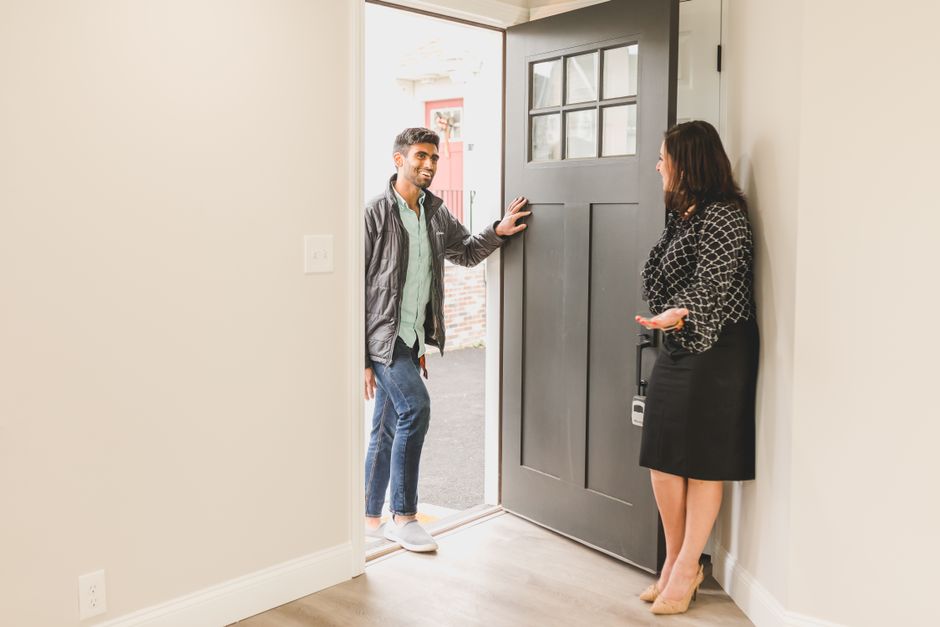
The home buying process can be broken down into several key steps. First, it’s essential to determine your budget. This involves understanding your financial situation, including your income, savings, and credit score. A good rule of thumb is to aim for a home that costs no more than three to five times your annual household income. Additionally, potential buyers should factor in costs such as property taxes, insurance, and maintenance.
Once you have a budget in mind, the next step is obtaining pre-approval for a mortgage. This is a critical phase for first time home buyers, as it helps you understand how much you can borrow and shows sellers that you are a serious buyer. Pre-approval involves a lender assessing your financial information, which typically includes your credit history, income, and debts.
After securing pre-approval, it’s time to start house hunting. Make a list of your must-haves and nice-to-haves in a home. Consider factors such as location, size, and amenities. Visiting open houses and working with a real estate agent can significantly ease this process. A knowledgeable agent can provide valuable insights into the local market and help you find properties that meet your criteria.
Common Mistakes First Time Home Buyers Make
Even the most diligent first time home buyers can make mistakes. One common pitfall is not doing enough research. Many buyers jump into the process without fully understanding the housing market or the specifics of the neighborhoods they are considering. It’s crucial to research market trends and comparable home sales in your desired area to make informed decisions.
Another mistake is underestimating additional costs associated with home ownership. Beyond the mortgage payment, homeowners need to budget for maintenance, repairs, and unexpected expenses. According to experts, setting aside 1% of your home’s purchase price annually for maintenance can be a good rule of thumb.
Moreover, many first time home buyers overlook the significance of a thorough home inspection. Skipping this step can lead to costly repairs down the road. A professional home inspector can uncover potential issues that may not be visible during a regular showing, allowing buyers to make informed decisions.
Financing Options for First Time Home Buyers
Understanding financing options is crucial for first time home buyers. There are various mortgage types available, including fixed-rate and adjustable-rate mortgages. Fixed-rate mortgages provide stability with consistent monthly payments, while adjustable-rate mortgages can offer lower initial rates but may fluctuate over time.
Additionally, there are specific programs designed to assist first time buyers. For instance, FHA loans require lower down payments and are more lenient on credit scores. First time home buyers should also explore state and local programs that may offer down payment assistance or favorable loan terms.
It’s advisable to shop around for the best mortgage rates and terms. Different lenders may offer varying rates and fees, so comparing options can lead to significant savings over the life of the loan. Consulting with a mortgage broker can also help navigate the lending landscape.
The Importance of Location
When it comes to real estate, location is often considered one of the most critical factors. First time home buyers should thoroughly evaluate the neighborhoods they are interested in. Factors such as proximity to work, schools, and amenities can greatly influence home value and living experience.
Moreover, understanding the future development plans for an area can provide insight into potential property value appreciation. Buyers should check with local government websites or community boards to learn about upcoming projects that may impact the neighborhood.
Additionally, crime rates and school districts should be key considerations. Researching local crime statistics and school ratings can help ensure that you choose a safe and family-friendly environment.
Closing the Deal
Once you’ve found the perfect home, it’s time to make an offer. Your real estate agent can help you craft a competitive offer based on comparable sales in the area. After your offer is accepted, you’ll enter the closing process, which entails finalizing your mortgage, completing necessary paperwork, and conducting a final walk-through of the property.
Closing costs, which typically range from 2% to 5% of the loan amount, should also be factored into your budget. These costs can include loan origination fees, title insurance, and appraisal fees. Being prepared for these expenses can help avoid last-minute financial surprises.
Finally, don’t forget to celebrate your new home! The journey of home ownership is a significant achievement, and taking the time to enjoy this milestone is essential.
Conclusion
Buying your first home is an exciting adventure filled with challenges and rewards. By understanding the home buying process, avoiding common pitfalls, exploring financing options, and conducting thorough research, first time home buyers can navigate this journey with confidence. For those eager to learn more about the intricacies of home buying, consulting resources or professionals can provide additional support. For a comprehensive guide tailored for first time home buyers, consider visiting first time home buyer resources that can guide you every step of the way.