
Barbecue is more than just a cooking method; it is a cultural phenomenon that brings people together. From backyard gatherings to competitive cook-offs, barbecue is a cherished tradition in many parts of the world. In this guide, we will explore the different styles of barbecue, essential techniques, and tips to elevate your grilling game. Whether you are a novice or an experienced pitmaster, this article is packed with practical advice to enhance your barbecue experience.
Understanding Barbecue Styles
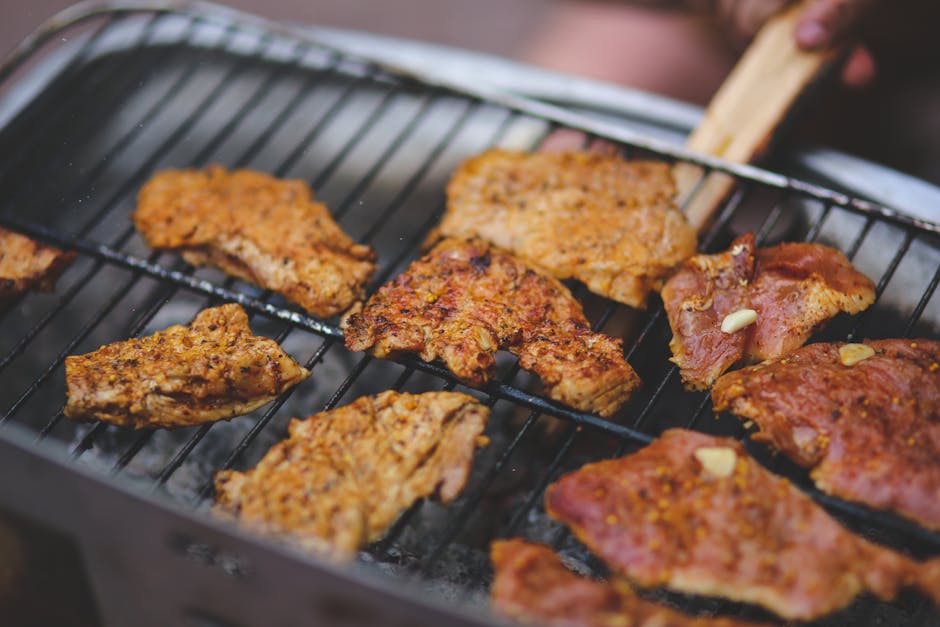
Barbecue varies significantly across regions, each with its own unique style and flavor profile. In the United States, for example, you can find distinct regional variations such as Texas, Kansas City, and Carolina barbecue. Texas barbecue is known for its beef brisket, often seasoned with a simple rub and smoked over post oak. In contrast, Kansas City barbecue is famous for its variety of meats and thick, sweet sauces. Meanwhile, Carolina barbecue is characterized by its vinegar-based sauces and pulled pork.
Internationally, barbecue takes on different forms. In South Korea, for example, Korean barbecue involves grilling marinated meats at the table, often accompanied by a variety of side dishes. In Argentina, the asado is a social event featuring large cuts of beef grilled over an open flame. Understanding these styles not only broadens your culinary repertoire but also helps you appreciate the cultural significance of barbecue in different societies.
Essential Barbecue Techniques
To master the art of barbecue, one must familiarize themselves with several core techniques. First, understanding the difference between direct and indirect heat is crucial. Direct heat is ideal for quick-cooking items like burgers and steaks, while indirect heat is better for larger cuts that require longer cooking times.
Another essential technique is smoking. Smoking adds a rich flavor to meats and requires knowledge of wood types that best complement the meat. For instance, hickory provides a strong, robust flavor, while applewood offers a milder, sweeter taste. Experimenting with different wood types can lead to discovering your unique flavor profile.
Temperature control is also vital. Using a reliable meat thermometer ensures that your meats are cooked to the correct internal temperature. For example, chicken should reach 165°F, while pork should be cooked to at least 145°F. Achieving the perfect cook not only enhances flavor but also ensures food safety.
Tips for Choosing the Right Equipment
Investing in the right barbecue equipment can significantly improve your cooking experience. When selecting a grill, consider whether you prefer charcoal, gas, or electric. Charcoal grills are beloved for their ability to impart a smoky flavor, while gas grills offer convenience and ease of use. Electric grills can be a great option for those living in apartments or areas with restrictions on open flames.
In addition to a grill, having the right tools is essential. A good set of grilling tools, including tongs, a grill brush, and a meat thermometer, can make your cooking process more efficient. Moreover, certain accessories like smoke boxes for gas grills or a chimney starter for charcoal grills can enhance your barbecue experience.
Another important consideration is the choice of fuel. High-quality charcoal or propane can make a significant difference in the final flavor of your barbecue. For instance, natural lump charcoal burns hotter and cleaner than briquettes, which can often contain additives.
Barbecue Trends to Watch
As the world of barbecue continues to evolve, several trends are shaping the future of this beloved cooking method. One noteworthy trend is the rise of plant-based barbecues. Many grill enthusiasts are exploring options like smoked vegetables and plant-based proteins, catering to the growing demand for vegetarian and vegan options.
Another trend is the integration of technology in barbecue cooking. Smart grills equipped with Wi-Fi connectivity allow users to monitor their cooking from their smartphones, taking the guesswork out of temperature control. This tech-savvy approach appeals to a younger generation of grillers who appreciate convenience and precision.
Lastly, fusion barbecue is gaining popularity, blending traditional barbecue techniques with global cuisines. For instance, Korean BBQ tacos or barbecue pizza are examples of how chefs are creatively redefining barbecue.
Conclusion
Barbecue is a versatile and dynamic cooking method that transcends cultural boundaries. Whether you are grilling in your backyard or competing in a barbecue competition, understanding the various styles, techniques, and trends will undoubtedly enhance your experience. Embrace the art of barbecue, experiment with flavors, and most importantly, enjoy the process of bringing people together over a delicious meal. For those looking to further engage with barbecue communities or events, reaching out to organizations like Zeus can provide valuable resources and connections.