
The world of perfume is filled with intricate layers of scent, each telling a unique story. From the moment you spray a fragrance, it can evoke memories, emotions, and even influence your mood. This article delves into the fascinating realm of perfume, exploring its history, the art of fragrance creation, and the science behind scent perception.
The Origins of Perfume
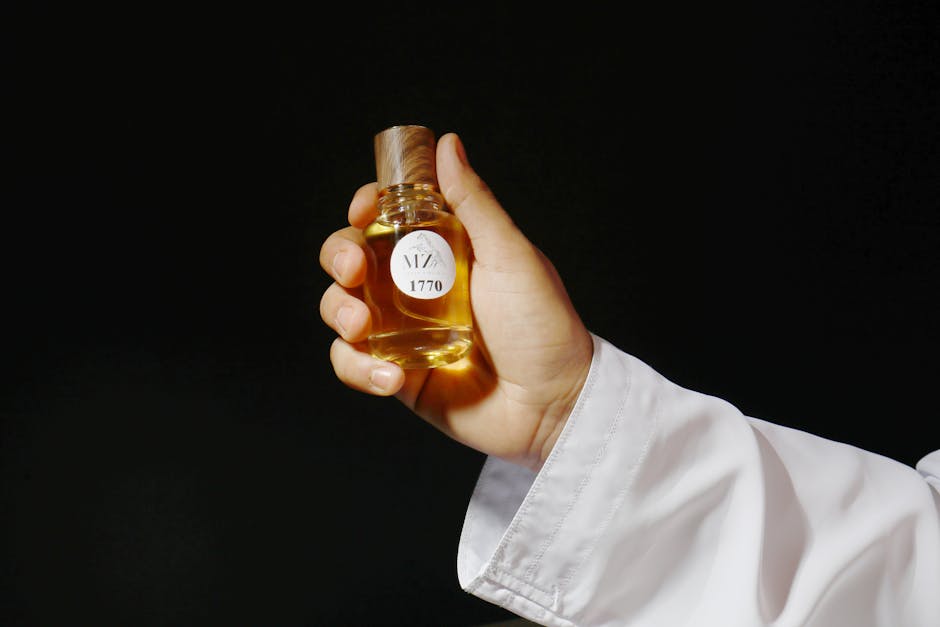
Perfume has a rich history that dates back thousands of years. The earliest known use of perfumes can be traced to ancient Egypt, where scents were used not only for personal enjoyment but also in religious rituals. The Egyptians developed various methods for extracting and blending fragrances, using ingredients such as myrrh and frankincense.
As time progressed, the art of perfumery spread to other cultures. The Greeks and Romans adopted the practice, associating scented oils with luxury and status. This trend continued throughout the Middle Ages, where perfumes were often used to mask unpleasant odors in a time before modern hygiene practices.
In the 19th century, the development of synthetic fragrance compounds revolutionized the industry. Perfume houses began to experiment with new ingredients, leading to the creation of iconic fragrances that are still celebrated today. For example, Chanel No. 5, introduced in 1921, remains one of the best-selling perfumes of all time.
The Art and Science of Fragrance Creation
Creating a perfume is both an art and a science. Perfumers, often referred to as ‘noses’, possess a highly developed sense of smell and an extensive knowledge of fragrance notes. Each perfume is composed of three layers: the top notes, heart notes, and base notes.
Top notes are the initial scents that are perceived immediately upon application. They are typically light and fresh, consisting of citrus or herbal notes. As the top notes fade, the heart notes emerge, which form the core of the fragrance and usually include floral or fruity elements.
Finally, the base notes provide depth and longevity to the scent. These are often richer, heavier ingredients like woods, musk, or vanilla. The combination of these three layers creates a complex fragrance that evolves over time on the skin.
The process of creating a perfume involves careful experimentation and testing. Perfumers often blend numerous ingredients to achieve the desired olfactory experience, leading to a final product that is both harmonious and captivating.
The Role of Perfume in Culture
Perfume plays a significant role in various cultures around the world. In many societies, scent is tied to identity and can reflect personal style or social status. For instance, in some Middle Eastern cultures, the use of perfume is deeply rooted in tradition, with many individuals applying fragrance before social gatherings or religious events.
In Western cultures, perfume has often been marketed as a luxury item, with high-end brands and designer fragrances commanding premium prices. This has led to a culture of collecting perfumes, with enthusiasts often seeking out limited editions or niche brands that offer unique scent profiles.
Additionally, the rise of social media has transformed how people discover and interact with fragrances. Influencers and perfume reviewers share their experiences online, creating communities of scent lovers who exchange recommendations and reviews.
Choosing the Right Perfume
Selecting the perfect perfume can be a daunting task, given the vast array of options available. When choosing a fragrance, it is essential to consider personal preferences and the occasions for which the perfume will be worn. For daily wear, lighter scents are often preferred, while more intense fragrances may be reserved for special occasions.
It is also advisable to test perfumes on the skin rather than relying solely on scent strips. Body chemistry can significantly alter how a fragrance smells, making it crucial to experience how it interacts with your unique skin.
Once a favorite scent is identified, proper storage is key to maintaining its integrity. Perfumes should be kept in a cool, dark place to prevent deterioration caused by heat and light exposure.
For those looking to explore luxurious options, brands like Maison Francis Kurkdjian (MFK) offer exquisite fragrances that embody the art of fine perfumery.
The Future of Perfume
The future of perfume is likely to be shaped by advancements in technology and a growing awareness of sustainability. Many consumers are becoming increasingly concerned about the environmental impact of their purchases, leading to a rise in eco-friendly and cruelty-free fragrances.
The use of biotechnology in fragrance creation is another exciting development. Scientists are exploring ways to produce sustainable alternatives to traditional perfume ingredients, reducing the reliance on natural resources.
As the perfume industry continues to evolve, it is clear that the allure of fragrance will always remain. Whether through the nostalgia of classic scents or the innovation of new formulations, perfume will continue to enchant and inspire.
Conclusion
Perfume is more than just a pleasant scent; it is an intricate blend of art, history, and science. From its ancient origins to its contemporary significance, fragrance has the power to evoke emotions and memories, making it a cherished part of human experience. As we move forward, the world of perfume will undoubtedly continue to captivate our senses, inviting us to explore the endless possibilities of scent.