
Cardiopulmonary Resuscitation (CPR) is a crucial life-saving technique that can make the difference between life and death in emergency situations. It is a skill that everyone should know, as it can be the key to providing immediate assistance to someone suffering from cardiac arrest or respiratory failure. In this article, we will explore the importance of CPR, the steps involved, and how to effectively perform this life-saving technique.
Understanding the Importance of CPR
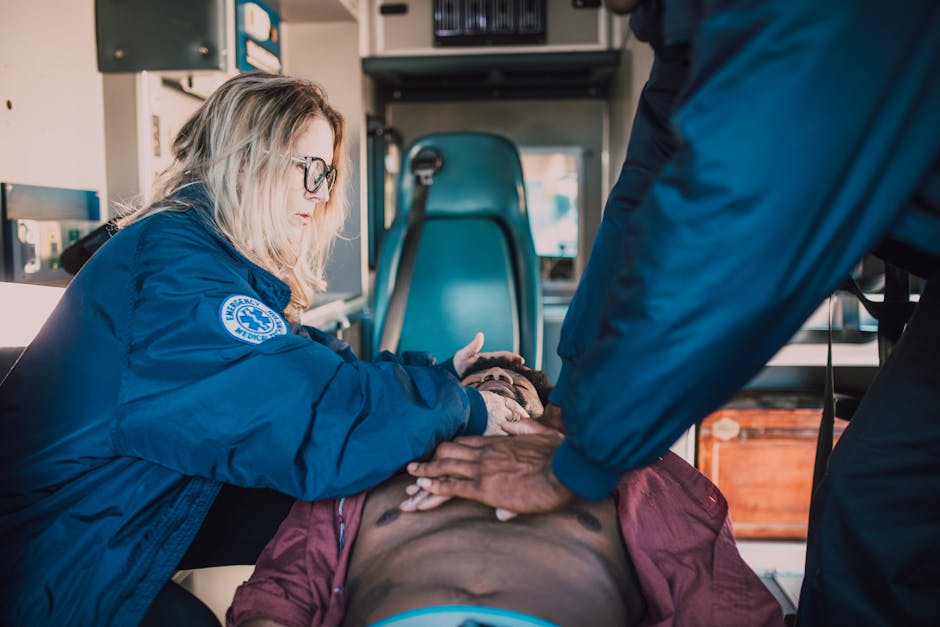
Every year, thousands of people experience cardiac arrests, and many of these incidents occur outside of hospitals. According to the American Heart Association, over 350,000 out-of-hospital cardiac arrests occur annually in the United States alone. The survival rate for victims of cardiac arrest is significantly higher when bystanders initiate CPR before emergency services arrive. This highlights the critical role of CPR in improving survival rates.
CPR not only helps to maintain blood flow to vital organs but also increases the chances of successful defibrillation when emergency medical personnel arrive. The faster CPR is administered, the better the chances of survival for the victim. Therefore, understanding how to perform CPR is essential for everyone, not just healthcare professionals.
The Steps of Performing CPR
Performing CPR involves a series of steps that can be easily remembered. The first step is to ensure the scene is safe before approaching the victim. Once safety is confirmed, check the victim’s responsiveness by gently shaking them and shouting. If there is no response, call emergency services immediately or ask someone else to do so.
Next, check for breathing. If the victim is not breathing or only gasping, begin CPR. The technique consists of two main components: chest compressions and rescue breaths. For adults, the recommended ratio is 30 chest compressions followed by 2 rescue breaths. Chest compressions should be performed at a depth of about 2 inches at a rate of 100-120 compressions per minute.
It’s important to note that hands-only CPR, which involves only chest compressions, is recommended for untrained bystanders. This method has been shown to be effective and can be performed without the need for rescue breaths. If you are trained and feel comfortable providing rescue breaths, you can incorporate them into your CPR technique.
Training and Certification in CPR
Receiving proper training in CPR is vital for effectively performing the technique. Various organizations offer CPR training courses that cover the essential skills needed to respond to cardiac emergencies. These courses typically include hands-on practice, which is crucial for building confidence and proficiency in performing CPR.
For those looking to get trained, options are available in many locations, including cities like Stockholm. Participating in a local CPR course, such as the HLR kurs Stockholm, can equip you with the necessary skills to save a life. It’s important to choose a course that is recognized and provides certification, as this can enhance your credibility and knowledge.
Common Myths and Misconceptions about CPR
Despite the importance of CPR, there are several myths and misconceptions that can deter individuals from learning the technique. One common myth is that performing CPR incorrectly can cause harm to the victim. In reality, the risks of not performing CPR far outweigh the potential harm caused by performing it incorrectly.
Another misconception is that CPR is only necessary for adults. In fact, CPR can and should be performed on children and infants as well, with some adjustments to the technique. Understanding these myths can encourage more people to learn CPR and be prepared to act in emergencies.
The Future of CPR Training and Technology
As technology continues to advance, the methods and tools available for CPR training are also evolving. Virtual reality and mobile applications are increasingly being utilized to provide interactive and realistic training experiences. These technologies can help simulate emergency scenarios, allowing individuals to practice their skills in a safe environment.
Moreover, public access to Automated External Defibrillators (AEDs) has increased significantly, making it easier for bystanders to provide immediate care during cardiac emergencies. Understanding how to use an AED in conjunction with CPR can further enhance the chances of survival for cardiac arrest victims.
Conclusion
Cardiopulmonary Resuscitation (CPR) is an invaluable skill that everyone should learn. By understanding the importance of CPR, mastering the steps involved, and dispelling common myths, we can empower more individuals to take action in emergencies. With proper training and a commitment to learning, anyone can be a potential lifesaver. Don’t wait for an emergency to occur; take the initiative to get trained and be prepared to make a difference.