
The construction industry has been a cornerstone of economic development for centuries, but as we step into a new era, it is evolving rapidly. Innovations in technology, sustainability, and project management are transforming how construction companies operate. This article explores the latest trends shaping the future of the construction industry and offers insights into how businesses can adapt to these changes.
Technological Advancements in Construction
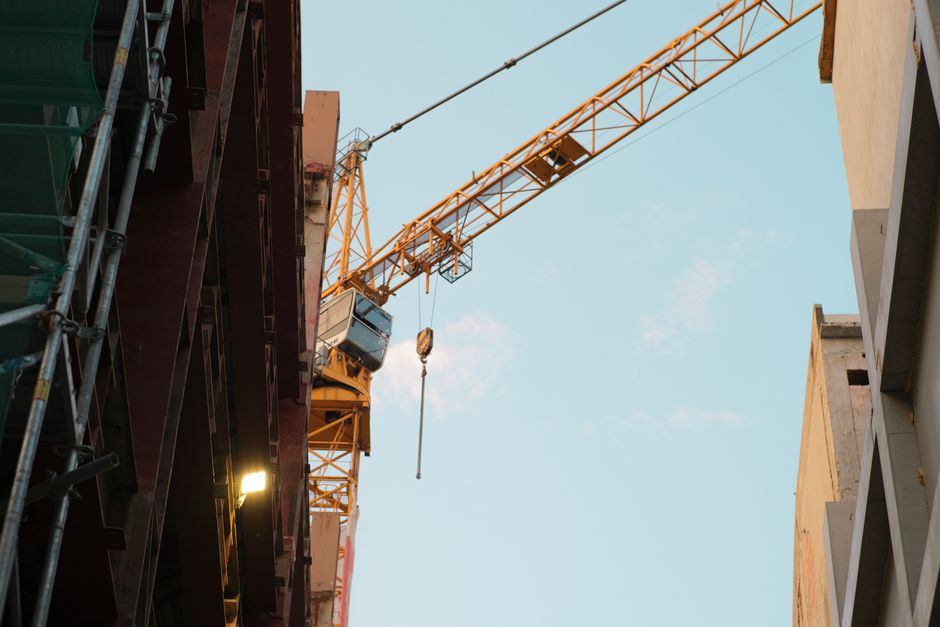
In recent years, technology has played a pivotal role in revolutionizing the construction landscape. Building Information Modeling (BIM) has become a standard practice, allowing for enhanced visualization and collaboration among stakeholders. This technology enables architects, engineers, and contractors to work on a single digital model, significantly reducing errors and improving project timelines.
Moreover, the integration of drones in construction is gaining traction. Drones provide aerial views of construction sites, helping project managers monitor progress and identify potential issues early on. According to a report by MarketsandMarkets, the construction drone market is expected to reach $11.5 billion by 2026, reflecting the growing reliance on aerial technology in construction.
Furthermore, the adoption of augmented reality (AR) and virtual reality (VR) is also on the rise. These technologies allow stakeholders to experience a project before it is built, facilitating better decision-making and client engagement. As these technologies become more accessible, their adoption will become a defining feature of the construction industry.
Sustainability and Green Building Practices
As environmental concerns continue to escalate, sustainability has emerged as a top priority in the construction industry. Green building practices are being adopted to minimize the ecological impact of construction projects. This includes using sustainable materials, energy-efficient designs, and waste reduction strategies.
For instance, many construction companies are now incorporating recycled materials into their projects. According to the US Green Building Council, buildings constructed with sustainable practices can reduce energy consumption by up to 30%. This not only benefits the environment but also leads to long-term cost savings for building owners.
In addition, the concept of the circular economy is gaining momentum in construction. This approach emphasizes reusing materials and minimizing waste, aligning with global sustainability goals. Construction companies are increasingly being called upon to adopt circular practices, which will likely become a standard expectation in the near future.
Labor Shortages and Workforce Development
Despite the advancements in technology, the construction industry is facing a significant labor shortage. According to the Associated General Contractors of America, 80% of construction firms report difficulty finding qualified workers. This shortage is partly due to an aging workforce and a lack of interest from younger generations in pursuing careers in construction.
To combat this issue, construction companies are investing in workforce development programs. These initiatives focus on training and upskilling workers to meet the demands of modern construction practices. Additionally, partnerships with educational institutions are being formed to attract young talent into the industry.
Moreover, the implementation of technology in training programs, such as virtual simulations and online courses, is making it easier for new entrants to learn essential skills. By addressing labor shortages proactively, the construction industry can ensure a robust and skilled workforce for the future.
Economic Impacts and Market Trends
The construction industry is a critical driver of economic growth, contributing over $1.3 trillion to the U.S. economy. As the economy recovers from the impacts of the pandemic, the construction sector is poised for significant growth. According to the American Institute of Architects, construction spending is projected to increase by 4.5% in 2024.
However, this growth will not come without challenges. Rising material costs and supply chain disruptions have become significant concerns for construction companies. The ongoing issues from the pandemic have highlighted the need for more resilient supply chains. Companies are now exploring alternative sourcing strategies and local suppliers to mitigate risks associated with global supply chains.
Furthermore, the demand for affordable housing continues to rise, prompting the construction industry to explore innovative solutions. Modular construction and prefabrication are emerging as viable options to address housing shortages while maintaining quality and efficiency.
Conclusion
The construction industry is at a crossroads, facing both challenges and opportunities as it adapts to new technologies and market demands. By embracing innovation, prioritizing sustainability, and investing in workforce development, construction companies can position themselves for success in the future. As the industry evolves, the focus will be on creating efficient, sustainable, and resilient structures that meet the needs of a changing world. To connect with others in the industry, consider joining a construction network charlotte nc for collaboration and support.