
In recent years, the rise of artificial intelligence (AI) has transformed numerous industries, and one of the most intriguing applications is in image detection. AI image detectors are tools that can analyze and interpret images, providing insights that were previously unimaginable. This article delves into the significance, functionality, and future of AI image detectors, highlighting their impact across various sectors.
What is an AI Image Detector?
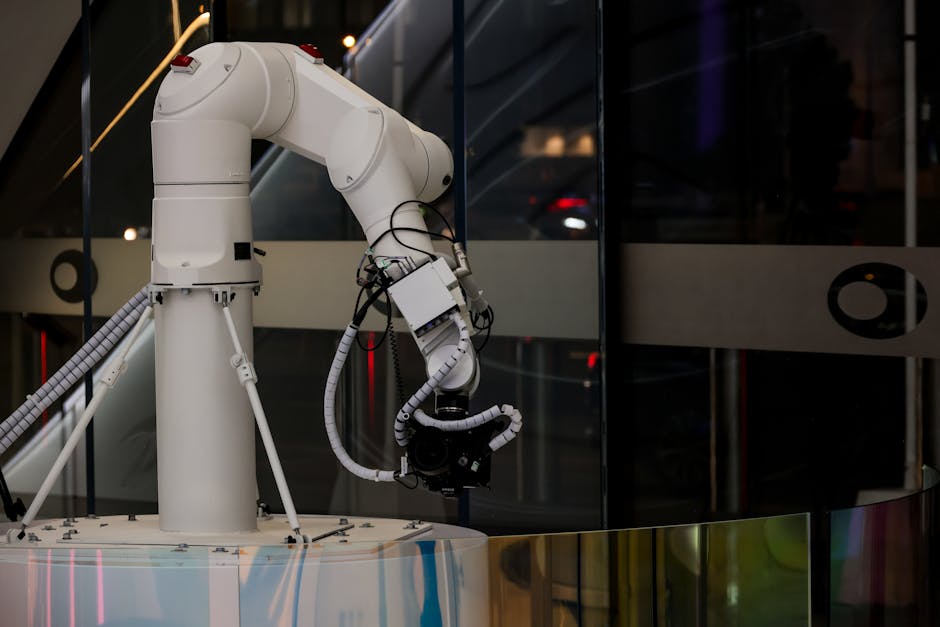
An AI image detector utilizes advanced algorithms and machine learning techniques to identify objects, faces, and other elements within an image. This technology has evolved significantly, moving from basic image recognition to more sophisticated analysis that includes context understanding and semantic segmentation. For instance, AI models can now differentiate between various species of animals in a photograph or detect subtle changes in medical imaging.
These detectors are powered by neural networks, particularly convolutional neural networks (CNNs), which mimic the human brain’s neural pathways to process visual data. As a result, they can learn from vast datasets, improving their accuracy over time. The datasets used for training these models often include millions of labeled images, which enable the AI to recognize patterns and make predictions.
Applications Across Industries
The applications of AI image detectors are extensive and varied. In the healthcare sector, these tools are revolutionizing diagnostics. For example, AI can analyze medical images such as X-rays, MRIs, and CT scans to assist radiologists in identifying tumors or fractures more accurately and quickly. A study published in the journal Nature demonstrated that AI could match or even surpass human experts in detecting breast cancer in mammograms.
In the retail industry, businesses are employing AI image detectors to enhance customer experience. By analyzing in-store video feeds, retailers can track customer movements, understand shopping behaviors, and optimize store layouts accordingly. This data-driven approach not only improves sales but also personalizes the shopping experience for customers.
Moreover, in the field of security, AI image detectors are being used for surveillance purposes. These systems can identify suspicious behaviors or recognize individuals from a database of known criminals, significantly enhancing public safety. The integration of AI in security systems is making it possible to monitor vast areas with minimal human oversight.
Challenges and Ethical Considerations
Despite their many benefits, AI image detectors also pose significant challenges and ethical dilemmas. One of the primary concerns is privacy. As these systems become more pervasive, the potential for misuse increases. For instance, mass surveillance using AI could infringe upon individual rights and freedoms, leading to societal implications that need careful consideration.
Another challenge is the accuracy of AI image detectors. While they have made remarkable strides, they are not infallible. Misidentifications can lead to wrongful accusations or missed diagnoses in medical settings. It is crucial for developers and organizations to implement rigorous testing and validation processes to minimize errors and ensure reliability.
The Future of AI Image Detection
The future of AI image detectors looks promising, with ongoing research and development aimed at enhancing their capabilities. As technology progresses, we can expect these tools to become even more sophisticated, capable of understanding context and emotions within images. For example, future systems may be able to detect not only objects but also the sentiment of people in images, providing deeper insights into human interactions.
Moreover, the integration of AI image detection with other technologies, such as augmented reality (AR) and virtual reality (VR), could open up new possibilities in fields like education and training. Imagine a scenario where students can interactively learn about biology by analyzing real-time images of cells through AR glasses powered by AI image detection.
As we venture into this new frontier, the importance of responsible AI development cannot be overstated. Ensuring that these technologies are used ethically and transparently will be paramount in gaining public trust and acceptance.
Conclusion
AI image detectors are at the forefront of technological innovation, offering transformative solutions across various industries. From healthcare to retail and security, their applications are vast and impactful. However, as we embrace this technology, it is essential to navigate the accompanying challenges and ethical considerations carefully. The future of AI image detection holds great promise, and with responsible development, it can lead to significant advancements that benefit society as a whole. For those interested in exploring the realm of AI image detection further, consider utilizing an ai image detector to experience its capabilities firsthand.