
The interior design of a restaurant plays a crucial role in shaping the customer’s dining experience. From the moment a guest walks through the door, the design elements contribute to their overall impression and satisfaction. In a competitive market, effective restaurant interior design can distinguish a business, enhance customer loyalty, and ultimately drive sales.
Understanding the Importance of Restaurant Interior Design
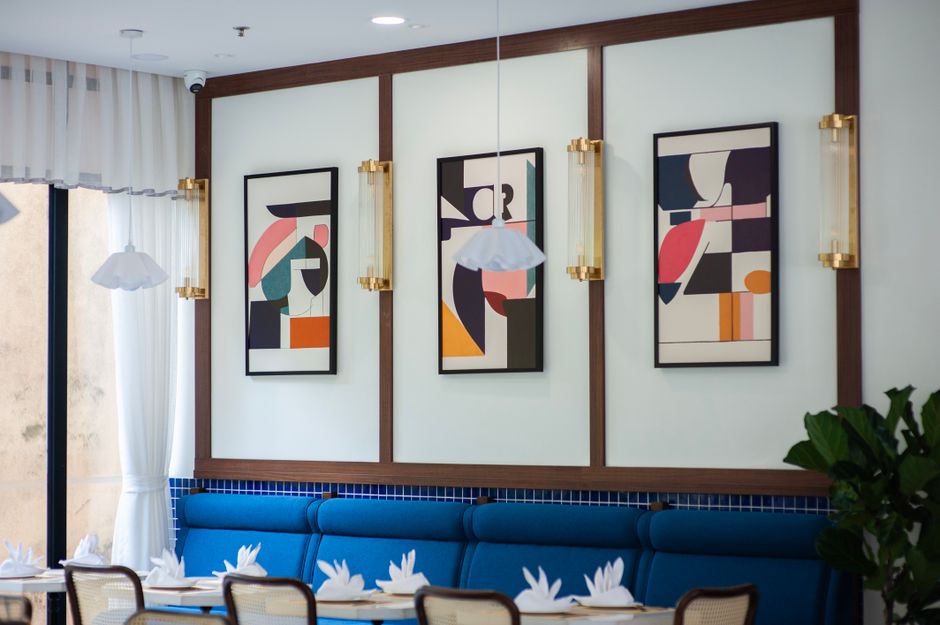
Interior design is not merely about aesthetics; it is a strategic tool that can influence how customers perceive a restaurant. According to a study by the National Restaurant Association, 60% of diners say they are influenced by the ambiance when choosing a restaurant. This statistic underscores the necessity for restaurant owners to invest in thoughtful interior design.
Moreover, the right interior design can enhance the functionality of a space. For instance, an open layout can encourage social interaction, while intimate booths may provide a romantic setting for couples. Each design choice must align with the restaurant’s theme and target demographic.
Key Elements of Effective Restaurant Interior Design
There are several critical components to consider when designing a restaurant’s interior:
- Color Scheme: Colors evoke emotions and set the mood. Warm colors like red and orange can stimulate appetite, while cooler tones can promote a calm atmosphere.
- Lighting: Lighting is vital in creating ambiance. Soft, dim lighting can create a cozy environment, while bright lights can energize a space. Incorporating adjustable lighting can allow for flexibility during different dining times.
- Furniture Selection: The choice of furniture impacts both comfort and style. Ergonomic seating options encourage patrons to linger longer, potentially increasing sales.
- Layout: An effective layout ensures smooth traffic flow, allowing customers and staff to move freely without disruption. This is particularly important during peak hours.
Incorporating Branding into Interior Design
Restaurant interior design is an extension of the brand’s identity. It’s essential for the design elements to reflect the restaurant’s concept and values. For example, a farm-to-table restaurant may use reclaimed wood and natural materials to enhance its organic ethos.
Furthermore, integrating branding into the design can create a cohesive experience. Custom wall art, branded colors, and unique design features can help reinforce the restaurant’s image in the minds of customers. These elements contribute to a memorable dining experience that encourages repeat visits.
Case Studies of Successful Restaurant Designs
Examining successful restaurant interior designs can provide valuable insights. One notable example is Blue Hill at Stone Barns in New York, which utilizes sustainable materials and natural elements to create a serene dining environment that reflects its commitment to local, seasonal food.
Another example is Yardbird Southern Table & Bar, which incorporates rustic design elements that evoke Southern charm, creating a warm and inviting atmosphere. Both restaurants illustrate how effective interior design can enhance a restaurant’s theme, leading to higher customer satisfaction and loyalty.
Trends in Restaurant Interior Design
As consumer preferences evolve, so do design trends. Current trends include:
- Biophilic Design: Incorporating natural elements, such as plants and natural light, into the restaurant space.
- Minimalism: A focus on clean lines and uncluttered spaces that promote a calm dining experience.
- Technology Integration: Incorporating technology for convenience, such as tablet menus or online ordering systems.
Staying updated on these trends can help restaurant owners create spaces that resonate with modern diners, ensuring lasting appeal.
Conclusion: The Lasting Impact of Thoughtful Design
In conclusion, restaurant interior design is a multifaceted aspect of the dining experience that requires careful consideration. By understanding its importance, focusing on key design elements, incorporating branding, and keeping up with trends, restaurant owners can create an inviting atmosphere that enhances customer satisfaction and loyalty. Investing in restaurant interior design is not just an aesthetic choice but a strategic business decision that can lead to success in a competitive industry.