
In an era where climate change and environmental degradation are at the forefront of global concerns, the role of architecture has evolved significantly. The emergence of sustainable architecture is not just a trend but a necessary shift towards creating buildings that are environmentally friendly and resource-efficient. This article delves into the essential aspects of sustainable architecture firms, highlighting their impact on the built environment and the future of construction.
Understanding Sustainable Architecture
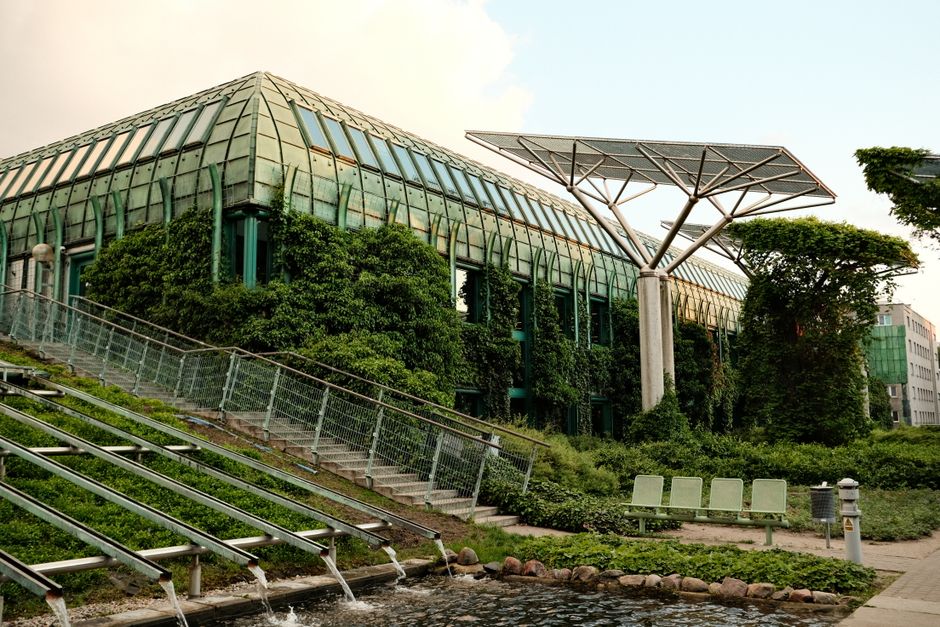
Sustainable architecture refers to a design philosophy that focuses on minimizing the negative environmental impact of buildings. This approach emphasizes using renewable resources, energy efficiency, and sustainable materials. The goal is to create structures that harmonize with their surroundings while meeting the needs of the present without compromising future generations. According to a report by the United Nations, buildings account for approximately 40% of global energy consumption, making sustainable practices in architecture crucial for reducing carbon footprints.
One of the core principles of sustainable architecture is the integration of energy-efficient systems. For instance, many firms are now incorporating solar panels and green roofs into their designs. These elements not only reduce dependency on non-renewable energy sources but also enhance the aesthetic appeal of buildings. Moreover, utilizing natural light and ventilation helps decrease reliance on artificial lighting and air conditioning, further promoting sustainability.
The Role of Sustainable Architecture Firms
Sustainable architecture firms play a vital role in the transition towards more eco-friendly building practices. These firms are at the forefront of innovation, often developing cutting-edge designs that prioritize sustainability. They collaborate with clients to create custom solutions that reflect environmental stewardship while meeting individual project needs.
For example, a sustainable architecture firm might specialize in designing residential homes that use reclaimed materials and incorporate energy-efficient technologies. This not only reduces waste but also lowers the overall carbon footprint of the construction process. In addition, firms often conduct life cycle assessments to evaluate the environmental impact of materials and construction practices, ensuring that every aspect of a project is as sustainable as possible.
Innovative Techniques and Technologies
The advent of new technologies has revolutionized the field of sustainable architecture. Advanced Building Information Modeling (BIM) software allows architects to visualize projects in a digital environment, optimizing designs for energy efficiency before construction even begins. Additionally, the use of 3D printing in building components can significantly reduce material waste and enable more complex designs that would be difficult or impossible to achieve through traditional methods.
Moreover, sustainable architecture firms are increasingly utilizing smart technologies to enhance building performance. For example, smart thermostats and automated lighting systems can be programmed to adjust based on occupancy, significantly reducing energy consumption. As technology continues to advance, the possibilities for sustainable architecture will only expand, offering new solutions to age-old problems.
Case Studies of Successful Sustainable Projects
Several high-profile projects exemplify the benefits of sustainable architecture. One notable example is the Bosco Verticale in Milan, Italy. This residential complex features vertical gardens that help purify the air and provide insulation, making it a model for integrating nature into urban environments. The buildings are designed to produce more energy than they consume, showcasing how innovative design can lead to sustainable living.
Another impressive project is the One Central Park in Sydney, Australia, which incorporates green roofs and vertical gardens. This development not only enhances the aesthetic value of the city but also improves biodiversity and reduces the urban heat island effect. These case studies highlight how sustainable architecture firms can create impactful solutions that address both environmental and social challenges.
The Future of Sustainable Architecture
As awareness of environmental issues grows, the demand for sustainable architecture is expected to rise. Governments worldwide are implementing stricter regulations regarding energy efficiency and sustainable practices in building design. This shift will likely lead to an increase in the number of sustainable architecture firms as more architects embrace eco-friendly practices.
Furthermore, education and advocacy are critical in promoting sustainable architecture. As more architects and designers are trained in sustainable practices, the industry will continue to evolve. Organizations and institutions are increasingly offering programs focused on sustainable design, ensuring that the next generation of architects is equipped with the knowledge and skills necessary to create a more sustainable future.
Conclusion
Sustainable architecture is no longer a choice; it is a necessity for a sustainable future. As we face the challenges of climate change and resource depletion, the role of sustainable architecture firms becomes increasingly important. By integrating innovative technologies, collaborating with clients, and prioritizing eco-friendly design principles, these firms are paving the way for a more sustainable built environment. The future of architecture lies in sustainability, and it is a future that we must embrace for the benefit of our planet and future generations.