
The kitchen is often considered the heart of the home, a place where family and friends gather to share meals and create memories. Remodeling your kitchen can not only enhance your home’s aesthetic appeal but also significantly improve functionality. Whether you are looking to update your space for personal enjoyment or increase your home’s market value, a well-planned kitchen remodel can offer immense benefits.
Understanding Your Needs
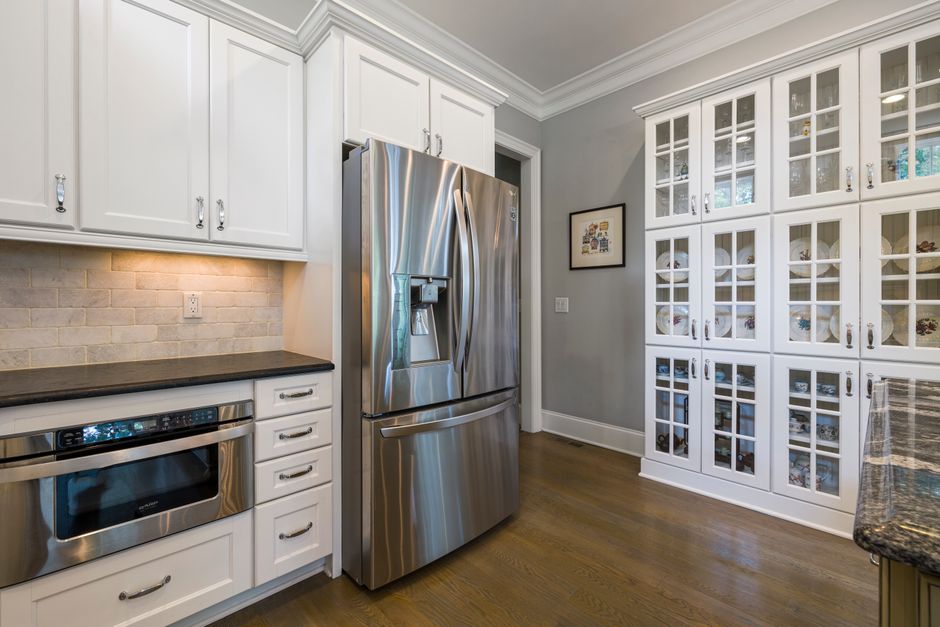
Before diving into a kitchen remodeling project, it’s essential to assess your needs and preferences. Consider how you use your kitchen on a daily basis and what changes would make it more efficient. For instance, do you need more storage, or is the layout causing workflow issues? Understanding your specific requirements will guide your design choices and help you avoid common pitfalls.
Additionally, think about your lifestyle. If you frequently host gatherings, you might want to incorporate features like an island with seating, open shelving for easy access to dishes, or even professional-grade appliances. On the other hand, if you prefer a minimalist approach, focusing on clean lines and hidden storage solutions might be more suitable.
Setting a Budget
Establishing a realistic budget is crucial for any remodeling project. According to the National Kitchen and Bath Association, kitchen remodels can range from $5,000 for minor updates to $50,000 or more for high-end renovations. It’s essential to determine how much you are willing to spend and allocate funds accordingly.
Consider the following when budgeting for your kitchen remodel:
- Materials: High-quality materials can significantly impact your budget. Decide whether you want to invest in custom cabinets, granite countertops, or energy-efficient appliances.
- Labor: Hiring professionals can save you time and ensure quality work, but it can also increase your costs. If you are handy, consider taking on some tasks yourself to save money.
- Unexpected Expenses: Always set aside a contingency fund of about 10-20% of your overall budget for unforeseen issues that may arise during the remodel.
Choosing the Right Design
The design of your kitchen should reflect your personal style while also being functional. Popular kitchen design styles include modern, traditional, farmhouse, and industrial. Each style has its unique characteristics, and your choice should align with the overall aesthetic of your home.
For example, a modern kitchen often features sleek lines, minimalist designs, and state-of-the-art appliances. In contrast, a farmhouse kitchen might emphasize warmth, charm, and rustic accents. Consider visiting local showrooms or browsing online platforms for inspiration that resonates with your vision.
Don’t forget to think about the layout. The most common kitchen layouts include:
- U-shaped: Ideal for larger spaces, offering ample storage and counter space.
- L-shaped: Great for smaller kitchens, promoting an open flow.
- Galley: Efficient and compact, perfect for cooking enthusiasts.
Incorporating Technology
Today’s kitchens are becoming increasingly smart, with technology playing a crucial role in enhancing convenience and efficiency. From smart refrigerators that can track your groceries to voice-activated faucets, the options are endless.
Consider incorporating the following technologies into your kitchen remodel:
- Smart Lighting: Control the ambiance and brightness of your kitchen with smart lighting solutions that can be adjusted via your smartphone.
- Energy-Efficient Appliances: Save money on utilities with appliances that use less energy and water.
- Smart Thermostats: Maintain an ideal temperature in your kitchen with smart thermostats that learn your preferences.
For those looking for inspiration, visit kitchen remodeling resources where you can explore various styles and layouts that fit your needs.
Final Touches and Cleanup
Once the major renovations are complete, it’s time to focus on the finishing touches that will bring your kitchen to life. This includes choosing paint colors, backsplash tiles, and decorative elements that reflect your style.
Don’t overlook the importance of lighting fixtures, which can dramatically alter the mood of your kitchen. Pendant lights over an island or under-cabinet lighting can provide both functionality and aesthetic appeal.
After everything is in place, ensure that your kitchen is thoroughly cleaned and organized. A clean space will not only look better but also make it easier to enjoy your new kitchen.
Conclusion
Kitchen remodeling is a significant investment that can yield substantial rewards in terms of functionality and aesthetic appeal. By understanding your needs, setting a budget, choosing the right design, incorporating technology, and paying attention to the finishing details, you can create a kitchen that truly reflects your style and enhances your home. Whether you are planning a major overhaul or a simple update, careful planning and execution will lead to a successful kitchen transformation.